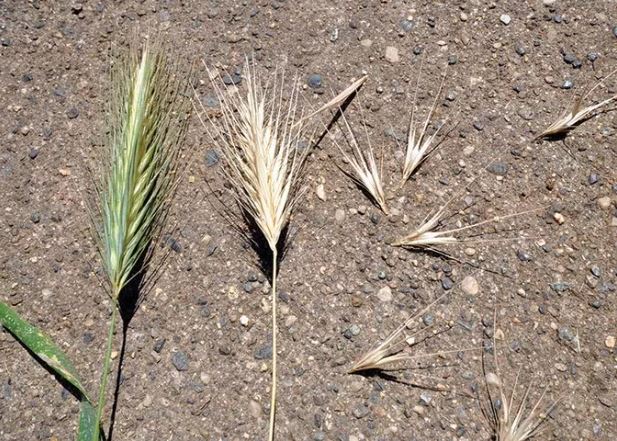
The Danger of Thistles
Our personal experience
When you think it won't happen to us
We knew about thistles. We knew they were dangerous.
Yet—like many other owners of active dogs—we thought, “It couldn’t happen to us.”
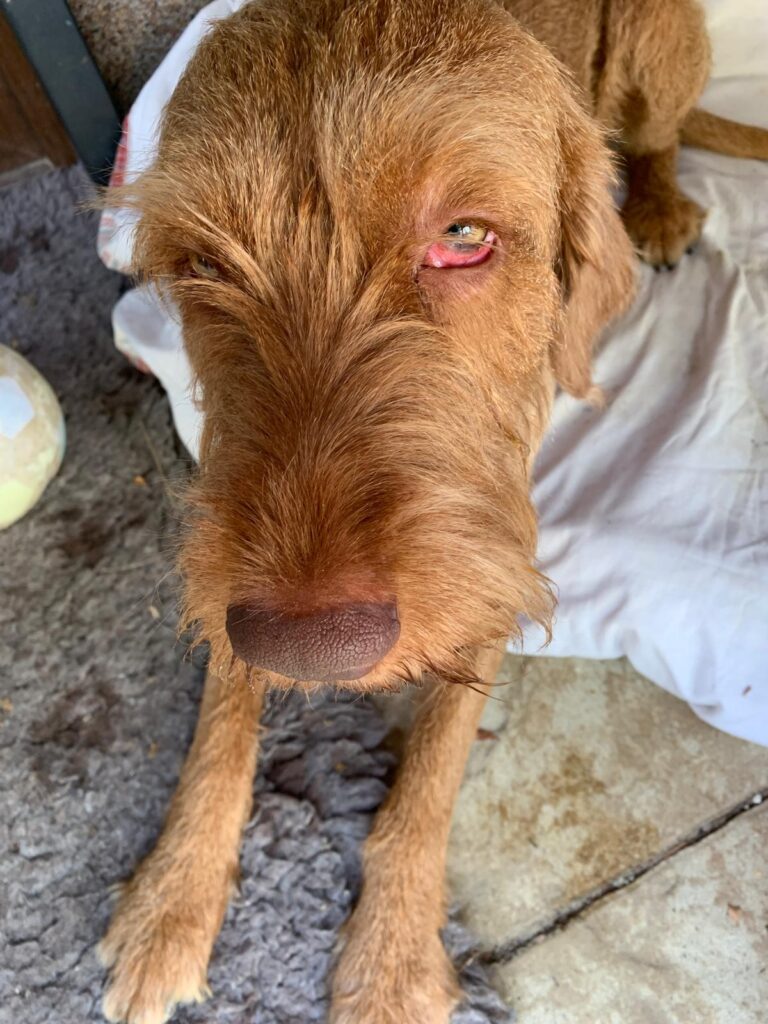
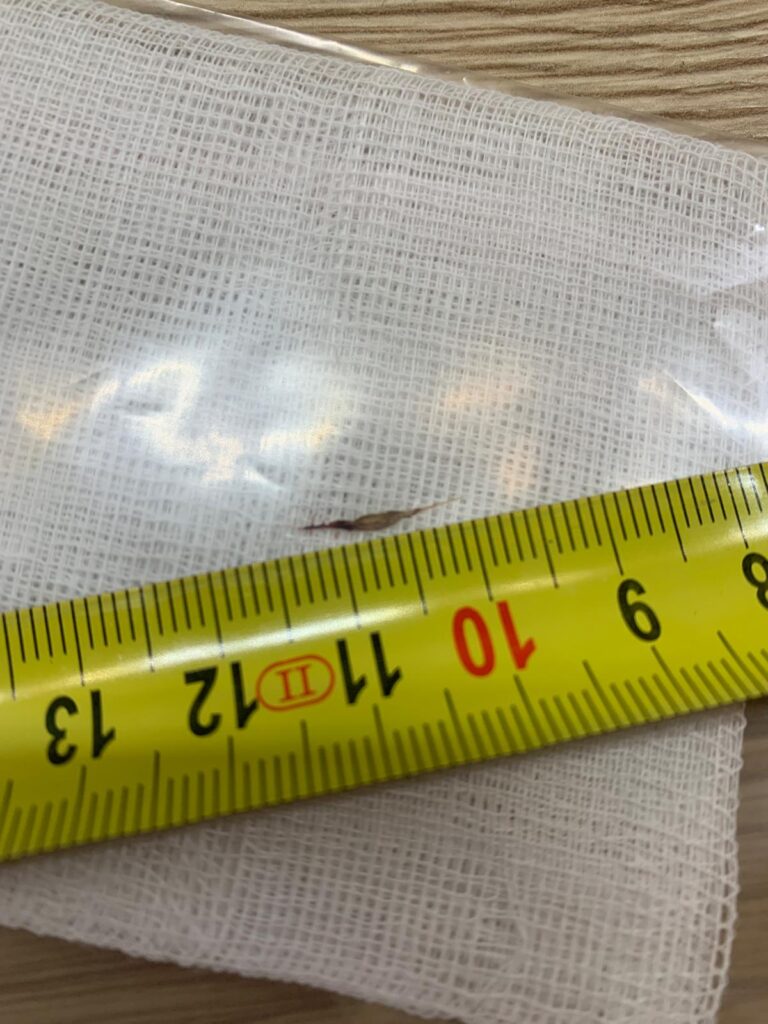
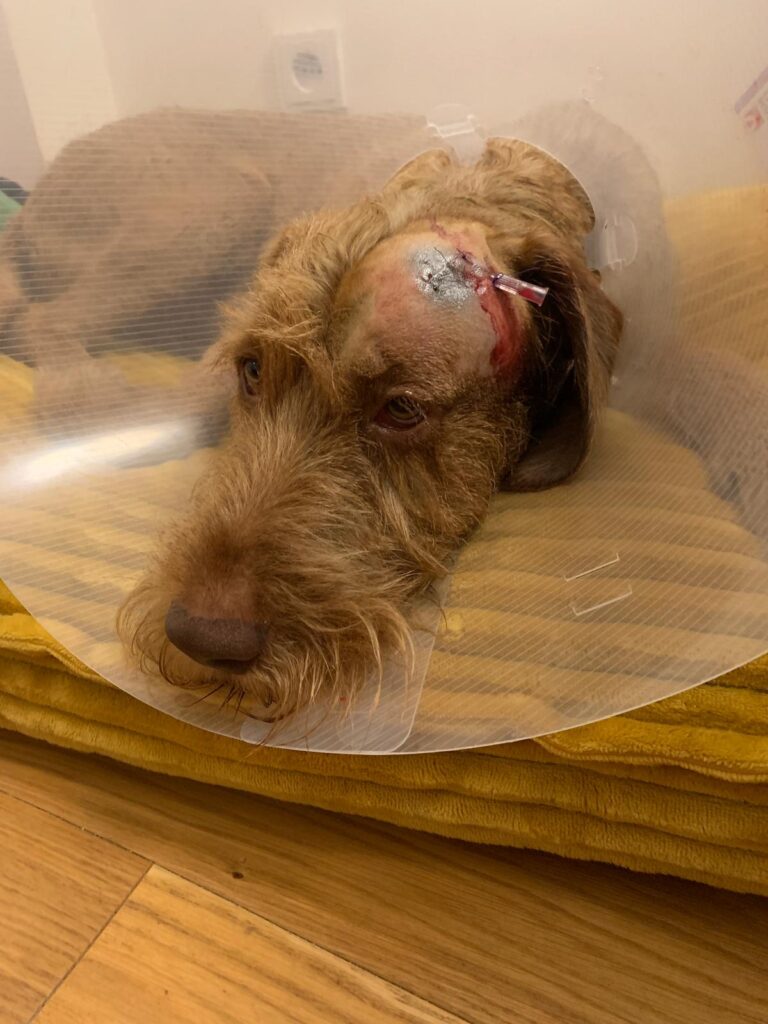
For Bar, it was just a routine outing in the countryside. A brief moment when a splinter ended up where it shouldn’t have. One moment, while out in the field, he started sneezing intensely. Then it stopped, and nothing happened for several days. And suddenly, his head swelled up. At first, they suspected a splinter in his eye, but the final diagnosis showed that the splinter had traveled through his sinuses and ended up at the top of his head. The problem couldn’t be treated conservatively, and the situation led to a complex veterinary procedure. Fortunately, there were no lasting consequences.
That was when we fully realized just how treacherous and underestimated thorns can be. And since a similar situation could happen again at any time, I started looking for a way to prevent this risk next time.
Why are thistles so dangerous?
A thistle is no ordinary blade of grass. It is hard, sharp, and shaped to catch on things and work its way deeper into the tissue. Once it enters a dog’s body, it very rarely comes loose on its own.
Most often, it gets stuck in the paws or an ear; in more serious cases, the dog inhales it.
How to Recognize a Thorn Injury
Eyes
excessive tearing
squinting
rubbing the eye with a paw
redness or swelling
Nose and Respiratory Tract
repeated sneezing, often on one side
runny nose (clear or bloody)
shortness of breath, coughing
restlessness, behavioral changes
apathy or reduced activity
Paws
limping for no apparent reason
frequent licking or chewing of the paw
swelling between the toes
tenderness
later, suppuration or hardening
Important: If you suspect a splinter injury, don’t wait for the problem to go away on its own. Splinters tend to migrate deeper into the tissue, and a prompt veterinary examination is crucial
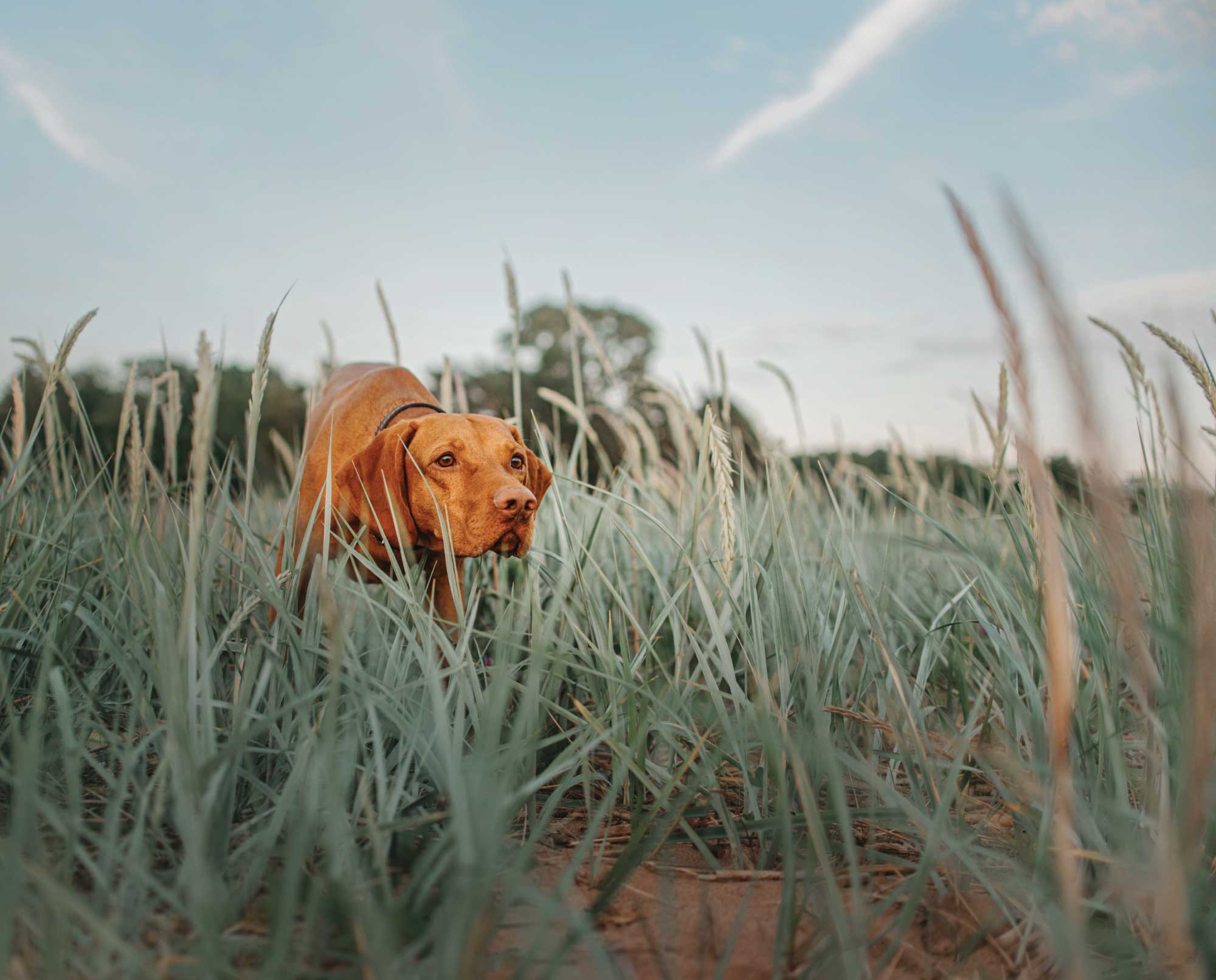
Why are active dogs most at risk?
Dogs that:
work in the field
they are moving through the tall grass
run in meadows or fields
are repeatedly and chronically exposed to thorns. However, this risk applies to all dogs, not just working or hunting dogs.
What we learned from this experience
Our experience with Bar has taught us one fundamental rule:
Once a thorn gets into a dog’s body, all you can do is deal with the consequences. Prevention is the only truly effective protection.
That is why we began looking for solutions that:
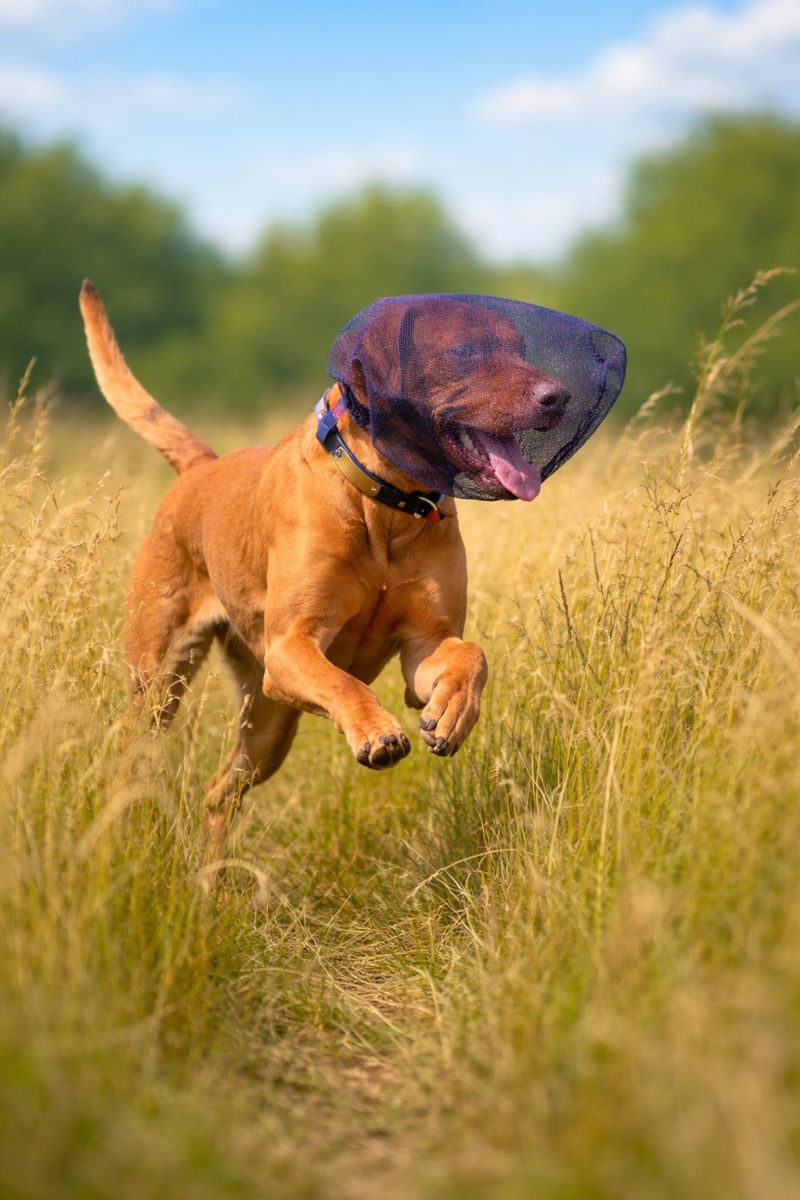
minimize contact between the spikes and the dog's head,
do not restrict movement or orientation,
and make sense in real-world situations, not just "on paper."
It was this experience that led to the development of preventive solutions, such as FieldGuard against thistles.